
MyParis Members or Season Ticket Holders? Log in to unlock exclusive preferential prices.
Around the Parc des Princes !
Complete your visit to the Parc des Princes by discovering the capital's other cultural landmarks.
“Paris is the great reading room of a library intersected by the Seine.” Philosopher Walter Benjamin was certainly not mistaken in describing Paris this way. Boasting nearly 2,000 years of history, Paris has stood the test of time, quickly establishing itself as one of Europe's leading capitals. Today, many of its landmarks remain among the most visited in the world.
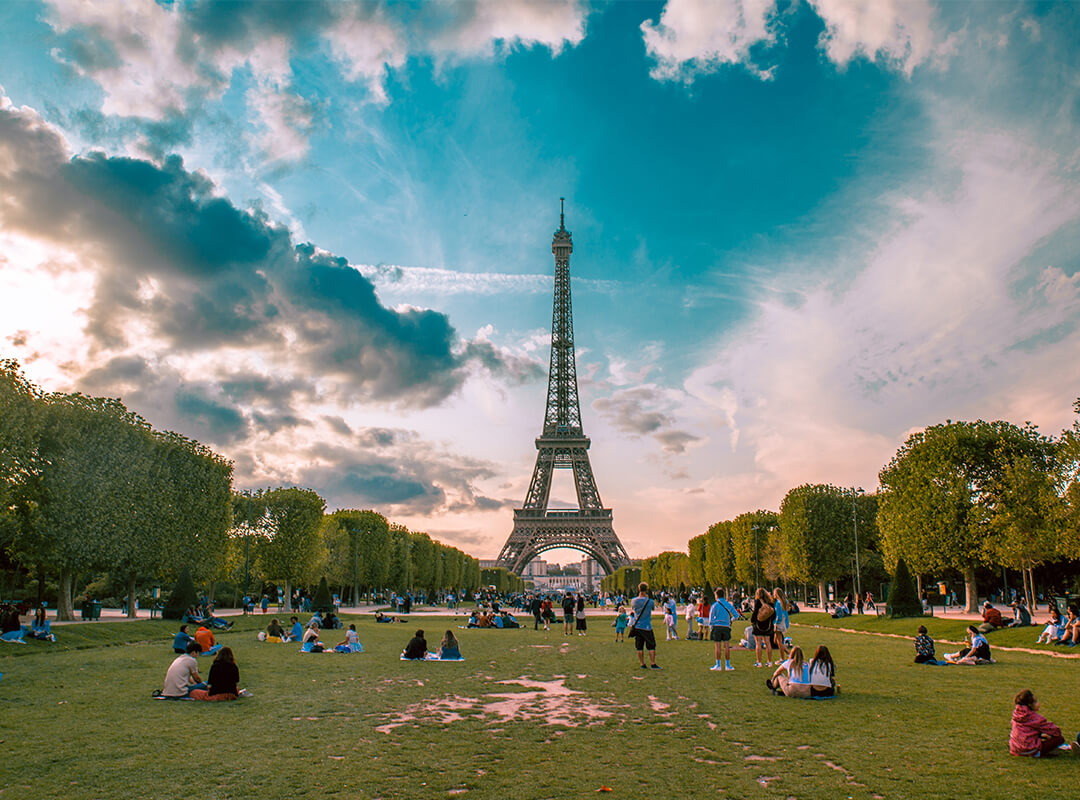
Eiffel Tower
La Tour Eiffel et le Paris Saint-Germain, une grande histoire d'amour ! La Dame de Fer est présente sur le logo des Rouge et Bleu depuis 1972, d'après la création du dessinateur Vallot. C'est aussi devant cet emblème de Paris que les légendes du club ont été immortalisées suite à leur arrivée au club. On pense notamment à Ibrahimovic, Di Maria ou Navas.
C’est à l’occasion de l’Exposition Universelle de 1889, date qui marquait le centenaire de la Révolution française, qu’un grand concours est lancé dans le Journal officiel. Les premiers coups de pelle sont donnés le 26 janvier 1887. Le 31 mars 1889, la Tour achevée en un temps record, 2 ans, 2 mois et 5 jours, s’impose comme une véritable prouesse technique.
Mais que serait une création sans son créateur : ingénieur de formation, Eiffel a fondé puis développé son entreprise spécialisée dans les charpentes métalliques, dont la tour Eiffel marque le couronnement, avant de dédier les trente dernières années de sa vie à des activités de recherches expérimentales.
Le mot du coach : dès la nuit tombée et jusqu'à 1h du matin, ne ratez pas le scintillement de la Tour Eiffel à travers le ciel de Paris.
Arc de Triomphe
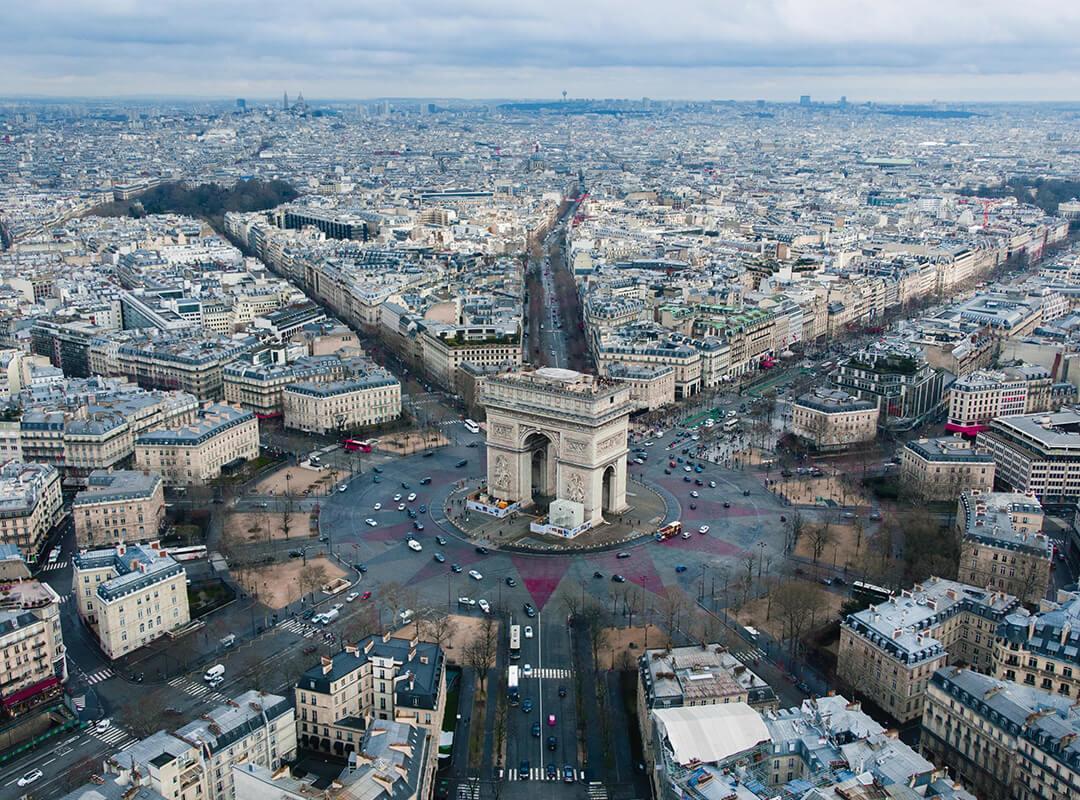
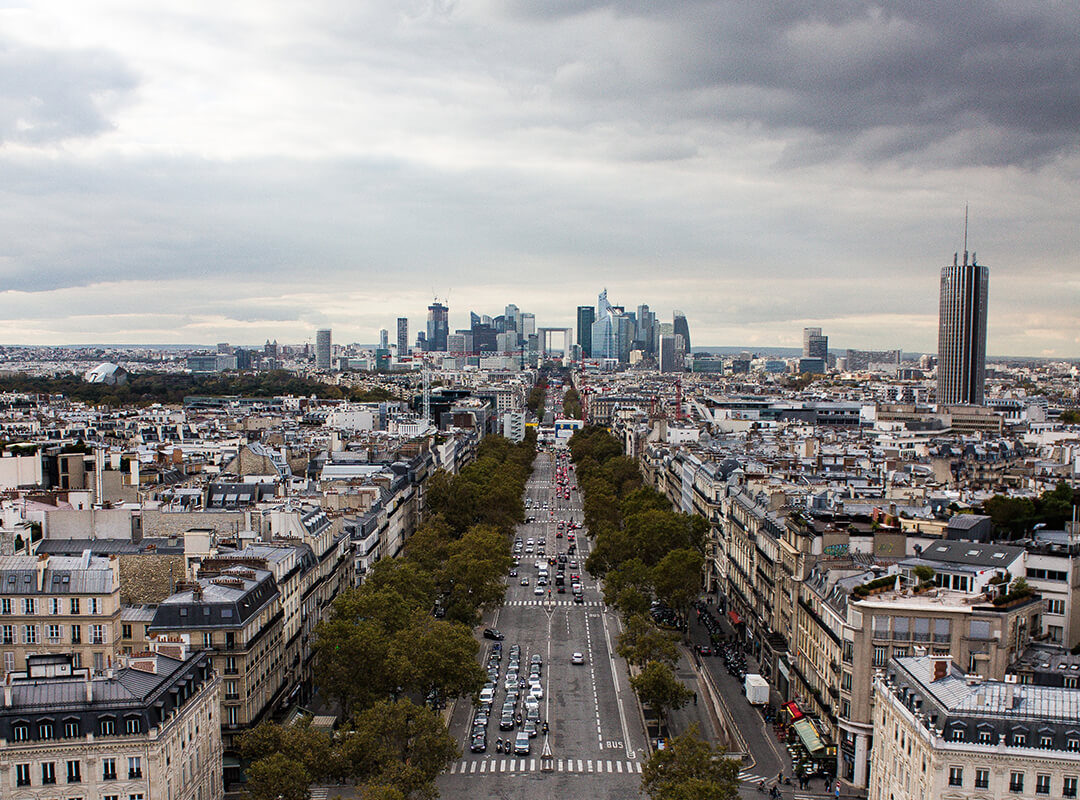
An absolute architectural and geographical marvel, the Arc de Triomphe is an essential stop on your Paris itinerary. Commissioned by Napoleon I in 1806, the Arc de Triomphe was officially inaugurated in 1836 by Louis-Philippe, King of the French, who dedicated it to the armies of the Revolution and the Empire.
It is also a iconic landmark for major national events, such as the July 14th Bastille Day parade. The Unknown Soldier was laid to rest beneath its arch in 1921, and the Flame of Remembrance is rekindled every evening at 6:30 PM—a solemn tradition honored in person by the French President during the May 8th and November 11th commemorations.
A tip from the coach: For those up for the challenge, climbing the 284 steps to the top will reward you with one of the most breathtaking views of the capital!
La Défense Business district
As the true economic powerhouse of the Paris area, the La Défense district spans several municipalities in the Hauts-de-Seine department, including Puteaux, Courbevoie, and Nanterre. Built in the 1960s, this business district has expanded over time to become the second-largest in Europe and the fourth-largest in the world. It marks the westernmost point of the city's Historic Axis, which stretches from the Louvre Palace, up the Champs-Élysées, through the Arc de Triomphe, and across the Pont de Neuilly.
A tip from the coach: The name "La Défense" originates from a statue called La Défense de Paris, erected to honor the soldiers who defended the city during the Franco-Prussian War of 1870.
MONT VALÉRIEN
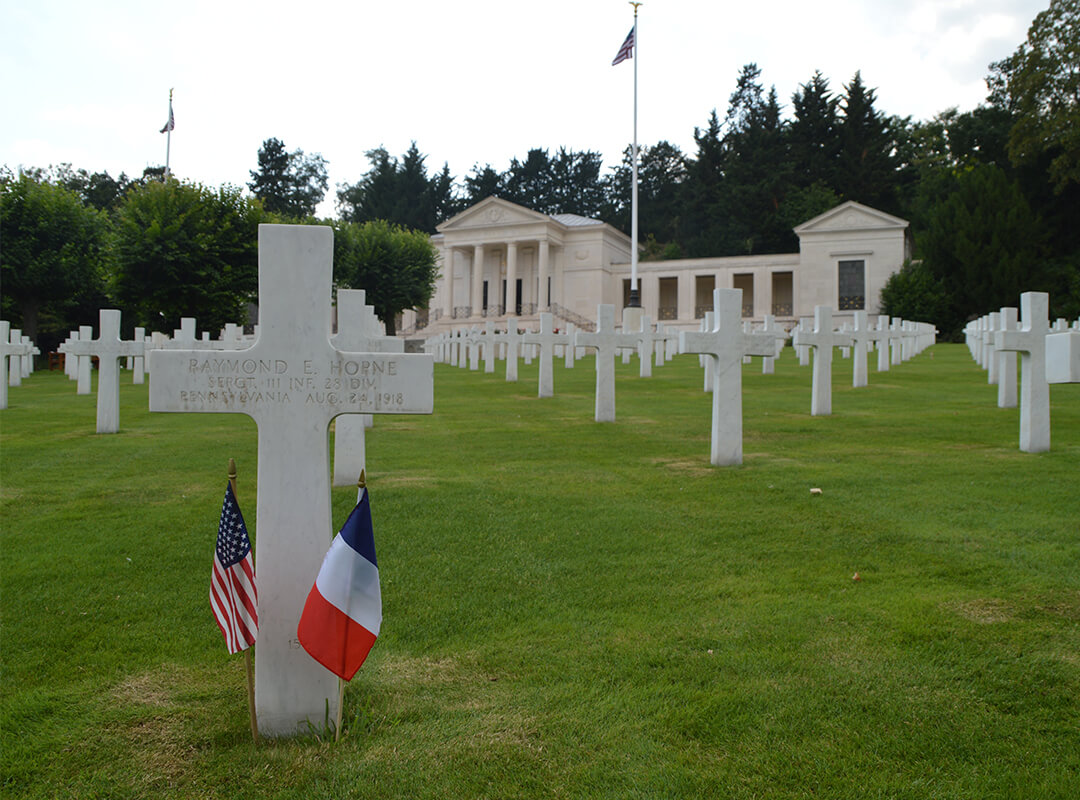
Towering over Paris at a height of 162 meters, Mont-Valérien is a site steeped in history. A medieval place of worship that became a military fortress in the 19th century, the name Mont-Valérien is tied to key events of the 1870 Franco-Prussian War and the Paris Commune. During the Second World War, it took on a tragically somber role as a primary execution site. A moving Remembrance Trail allows visitors to trace the final footsteps of those led to their deaths. To honor all victims of World War II, a national memorial was erected on the site and inaugurated by General de Gaulle on June 18, 1960.
Guided tours of Mont-Valérien are free of charge. Lasting approximately 1 hour and 30 minutes, they run daily except Mondays.
THE MUSEUMS
“Add two letters to Paris and you have paradise.” French writer Jules Renard was hardly exaggerating: the City of Light is a true open-air museum, a haven for lovers of art, heritage, and history.
Fondation Louis Vuitton
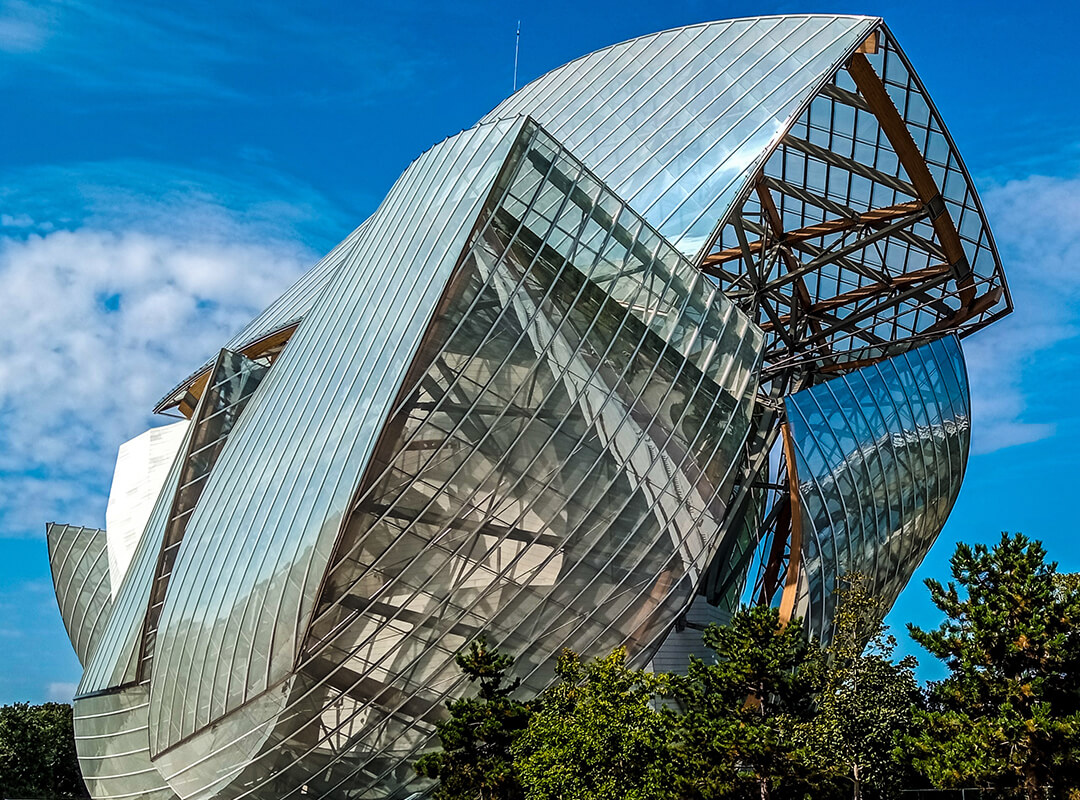
Located in the Bois de Boulogne, just steps from the Jardin d’Acclimatation, the Fondation Louis Vuitton is dedicated to supporting French and international contemporary artistic creation, while making it accessible to the widest possible audience through a permanent collection, temporary exhibitions, and numerous events. Designed in 2014 by architect Frank Gehry, it offers a cultural program showcasing the history of 20th and 21st-century art movements.
At the heart of a luminous, innovative, and simply unique building, visitors can enjoy sweeping panoramic views from its various terraces.
A tip from the coach: Many celebrities have been the face of the French luxury house, including Madonna, Jennifer Lopez, and Kate Moss. But an iconic athlete also posed for Louis Vuitton campaigns: Muhammad Ali.
Le Palais de Tokyo
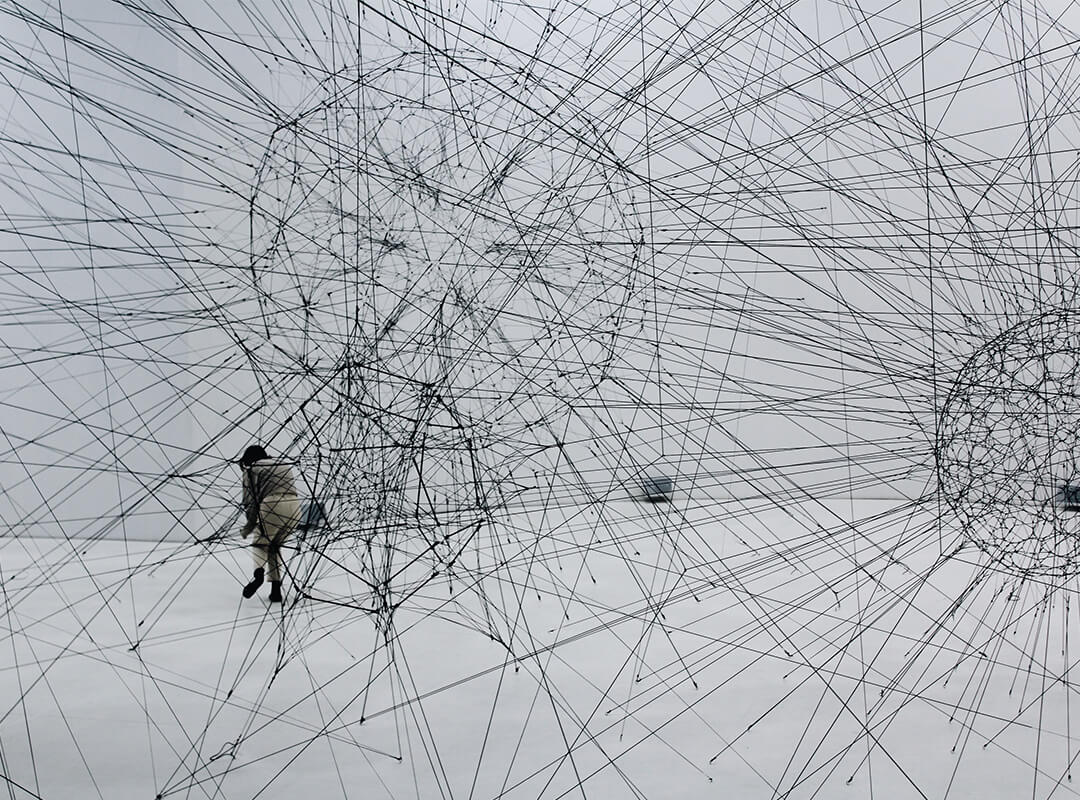
Inaugurated in 1937 for the World’s Fair, the Palais de Tokyo stands out in the capital’s museum landscape. Constructed mainly of steel and concrete, it offers visitors a series of temporary exhibitions exploring themes such as music, fashion, and design. Its vast exhibition area makes it one of the largest contemporary art centers in the world.
In the spirit of its regular "Cartes Blanches" and "Nuits Blanches" events, a visit here is designed as a unique, informal, and immersive experience. With its "Tok-Tok" creative workshops and introductory sessions to contemporary art, the Palais de Tokyo is fully accessible to families and children.
A tip from the coach: Nicknamed "Le Dôme," the Palais de Tokyo is considered a legendary Paris skateboarding spot, thanks to its vast esplanade and iconic marble steps.
Yves Saint Laurent Museum
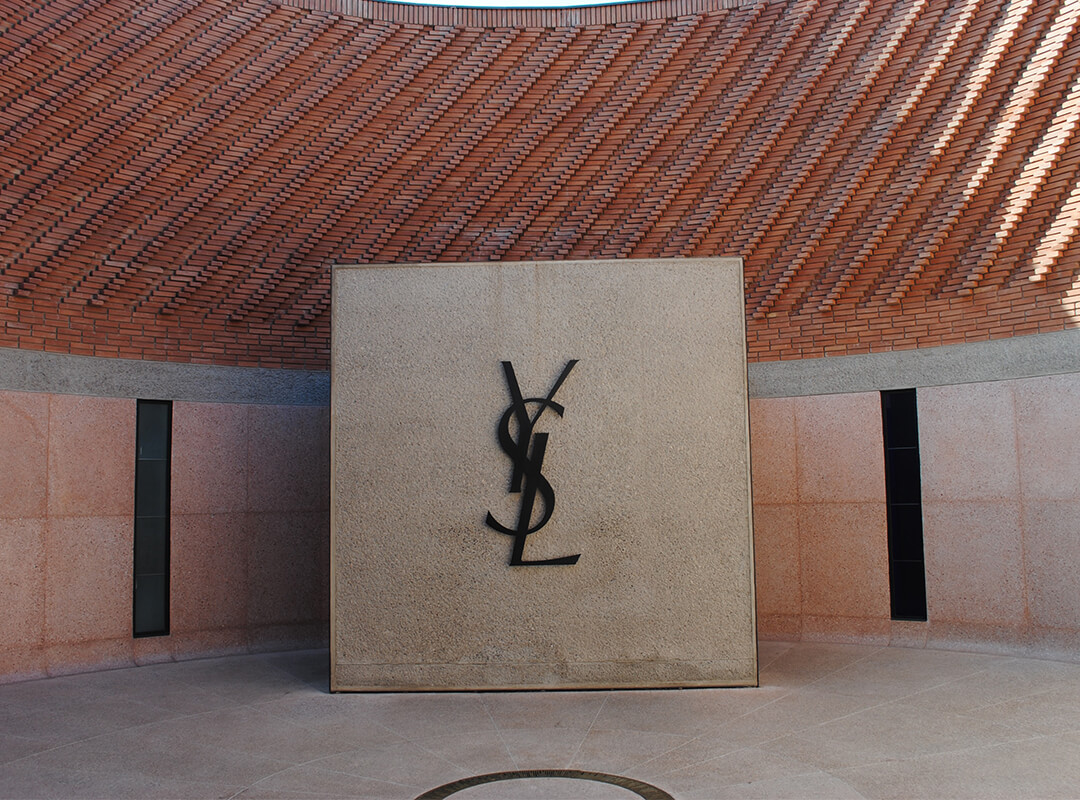
Dedicated to one of the 20th century's most iconic fashion designers and a true figurehead of French style, the Yves Saint Laurent Museum Paris showcases the couturier's work within the historic setting of his former haute couture house. Through a retrospective journey and thematic temporary exhibitions, visitors are immersed in nearly 30 years of creation by the legendary French designer.
The tour features around fifty garments alongside sketches, photographs, videos, and accessories displayed within the former haute couture salons—most notably Yves Saint Laurent’s historical studio—offering the public an intimate glimpse into the heart of his creative process.
OTHER POINTS OF INTEREST
Yet Paris is far more than just its endless array of museums and monuments. It is also a city packed with iconic sports venues, offering plenty of peaceful green spaces where you can simply stroll and unwind.
Stade Jean Bouin
Located just a stone’s throw from the Parc des Princes, Jean Bouin Stadium is the official home of Stade Français Paris, one of the leading clubs in French rugby’s Top 14.
A truly modern, eco-friendly venue, Jean Bouin Stadium is state-of-the-art, featuring low-carbon materials, solar panels to power its lighting, and a rainwater harvesting system used to irrigate the pitch.
A tip from the coach: The Paris Saint-Germain women's team has played at Jean Bouin numerous times, both in D1 Arkema and in the Champions League.

Roland Garros
Along with the Parc des Princes, Roland-Garros is the other iconic sports venue at Porte d'Auteuil. Named after the famous French aviator, the Roland-Garros complex was recently renovated, featuring the creation of the stunning Suzanne Lenglen Court and the addition of a retractable roof over the Philippe Chatrier Court.
The French Open is held here every year in late May, marking the grand finale of the clay-court season before the transition to grass. Rafael Nadal is indisputably the King of Porte d'Auteuil, boasting an incredible 14 titles on the Parisian red clay.
A tip from the coach: The longest match in tournament history dates back to 2004, an all-French clash between Fabrice Santoro and Arnaud Clément that lasted a staggering 6 hours and 33 minutes!
Aquarium de Paris
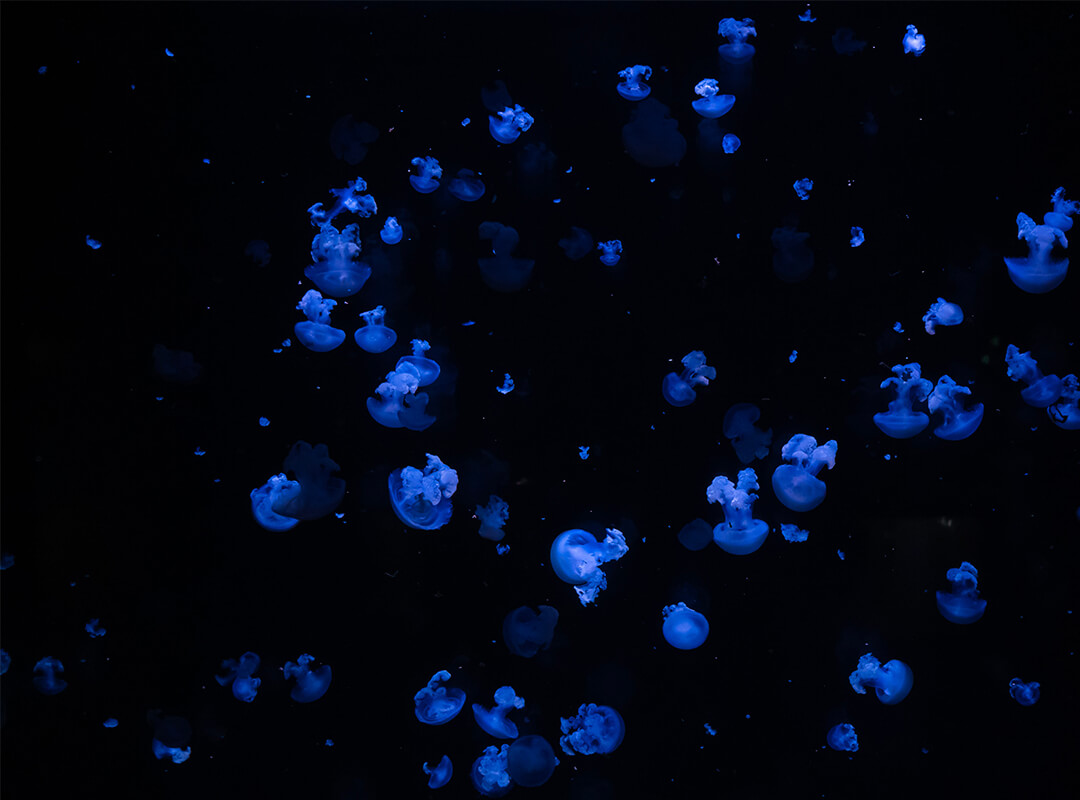
Inspired by Jules Verne and his novel Twenty Thousand Leagues Under the Seas, Cinéaqua was the world’s very first aquarium. Nestled in the Trocadéro Gardens and renovated in 2006, it is now home to 13,000 fish, 38 sharks, 2,500 jellyfish, and 700 coral colonies spanning 3,500 square meters.
Featuring interactive activities, live shows, and an on-site restaurant, it offers a fully immersive experience to explore the mysteries of the marine world.